Bathroom tiles are a foundational element of any bath design, balancing moisture resistance, durability, and style. A thoughtful tile choice can influence everything from lighting reflections to perceived space. This guide shares practical insights on selecting materials, patterns, maintenance, and installation considerations to help you achieve a lasting, beautiful bathroom.
Materials: Ceramic, Porcelain, Natural Stone, and Glass
Ceramic tiles are versatile and affordable, making them ideal for walls and backsplashes. Porcelain tiles offer higher density and water resistance, suitable for floors and wet zones. Natural stone tiles such as marble or travertine bring luxury and unique veining but require more maintenance. Glass tiles add light and depth, often used as accents or shower enclosures. When selecting materials, consider porosity, slip resistance, and maintenance needs, and verify certifications from reputable manufacturers.
Ceramic Tiles
Pros: affordable, versatile patterns. Cons: can be less durable on floors. Best for walls, light-use areas, and splashbacks.
Porcelain Tiles
Pros: dense, low water absorption, durable for floors and showers. Cons: pricier and harder to cut. Best for floors and high-traffic baths.
Natural Stone
Pros: timeless beauty, natural variation. Cons: requires sealing, more maintenance, potential staining. Best for feature walls or dry areas with proper care.
Glass Tiles
Pros: reflective brightness, modern look, easy to clean. Cons: can show water spots, may feel slick in certain orientations. Best as accents, borders, or shower niches.
Size, Pattern, and Layout
Tile size affects perceived space and maintenance. Large-format tiles reduce grout lines and create a seamless look, while small tiles offer texture and grip in a shower floor. Common layouts include grid for a classic look, offset for a traditional feel, and herringbone or subway patterns for visual interest. Consider using a core tile in a neutral base and introducing color or pattern in accents or trims to avoid busy surfaces.
Durability and Maintenance
Durability depends on material, finish, and installation. Porcelain and ceramic tiles are generally low maintenance when sealed properly. Natural stone requires periodic sealing and specific cleaners to avoid etching or dulling. Grout sealed or epoxy variants improve stain resistance. Regular cleaning with a pH-neutral cleaner, a soft brush, and proper ventilation helps prevent mold and mildew in damp baths.
Installation Considerations and Budget
Professional installation ensures proper substrate preparation, waterproofing, and tile setting. Budget for materials, underlayment, waterproof membranes, and labor. Large-format or intricate patterns may add cost but reduce grout lines and speed up installation. When planning, reserve a contingency for potential substrate repairs or tile replacements. Always obtain quotes from licensed installers and request project portfolios to support quality claims.
Design Ideas and Practical Tips
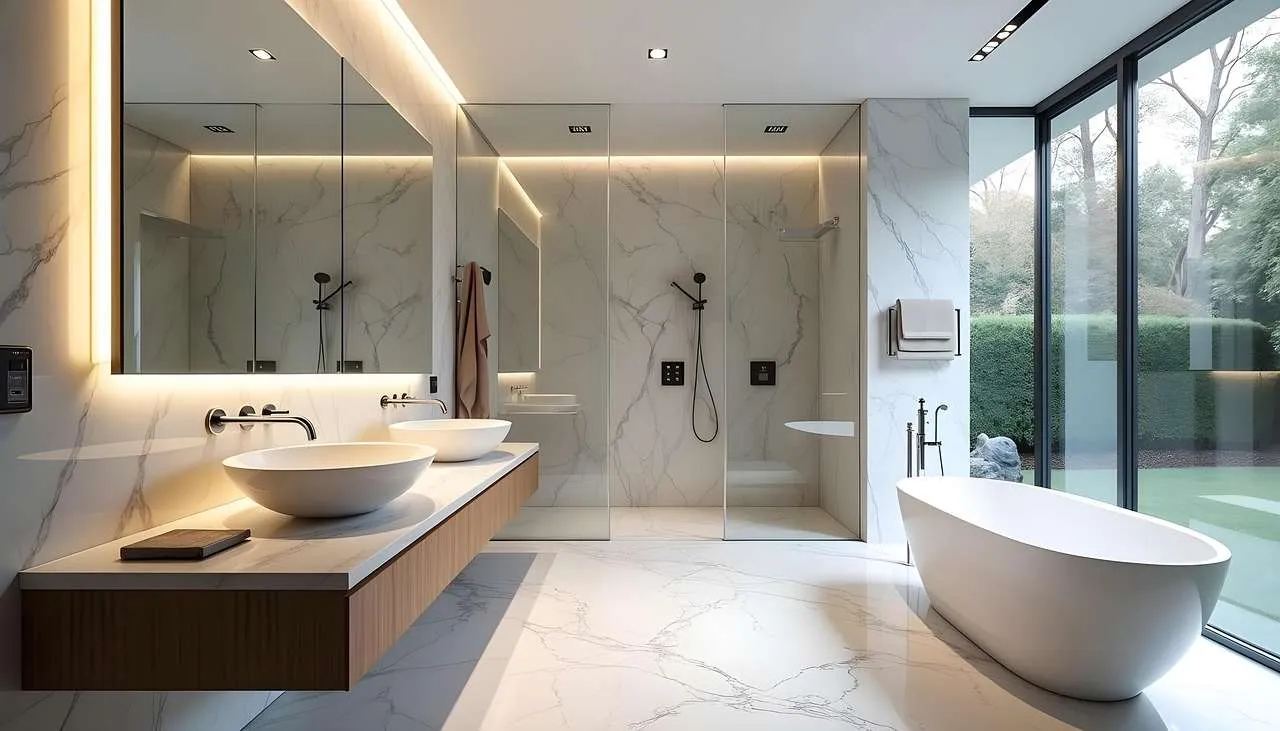
Color temperature, finishing, and grout choice influence the room mood. Light neutral tones with a glossy finish can brighten a small bathroom, while bold colors or textured surfaces create focal points. For safety, select high slip-resistance floor tiles in wet zones and consider bevelled or textured edges for grip. Combine materials such as a porcelain floor with a marble-look wall tile to balance durability and luxury. Remember to coordinate with fixtures, cabinetry, and hardware to achieve a cohesive look.
Comparison of Tile Types
| Tile Type | Pros | Cons | Best For |
|---|---|---|---|
| Ceramic | Affordable, versatile patterns | Less durable on floors | Walls, backsplashes |
| Porcelain | Dense, low water absorption | Pricier, harder to cut | Floors, wet areas |
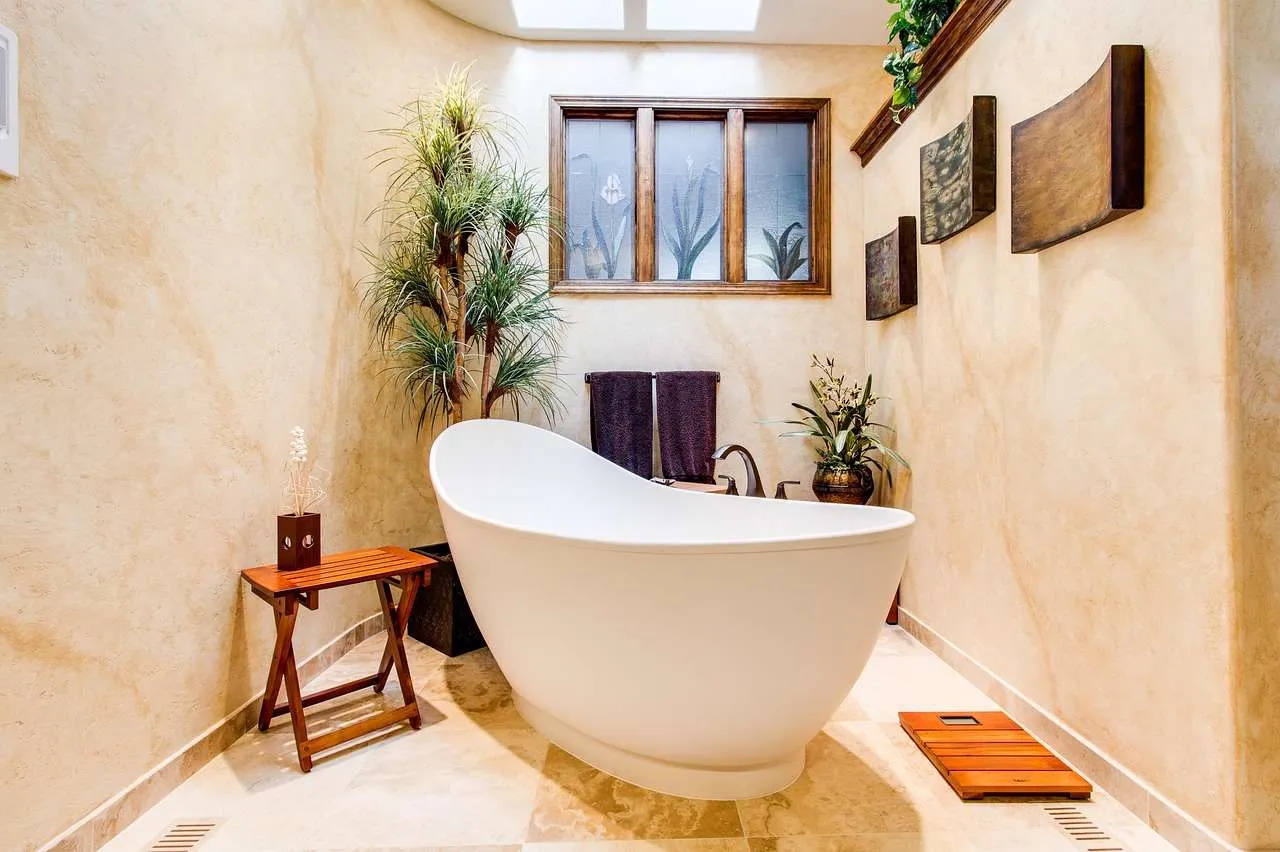
| Natural Stone | Timeless beauty, unique veins | Sealing needs, maintenance | Feature areas, dry zones |
| Glass | Bright, reflective, easy to clean | Visible water spots, slippery in certain angles | Accents, borders, showers |
In practice, balance is key. Choose a durable floor option such as porcelain for wet zones, then pair it with ceramic or glass wall tiles to create texture without sacrificing performance. Clear labeling from suppliers about slip ratings and water absorption helps you compare options accurately, which is part of responsible sourcing and EEAT considerations. For projects involving bathroom tiles, consult licensed professionals for installation and maintenance guidance to ensure lasting results.
Conclusion, with thoughtful material selection, layout planning, and ongoing care, you can achieve a bathroom that is both beautiful and resilient. Prioritize safety in wet areas, maintain a consistent design language, and budget for professional installation to maximize longevity and satisfaction.